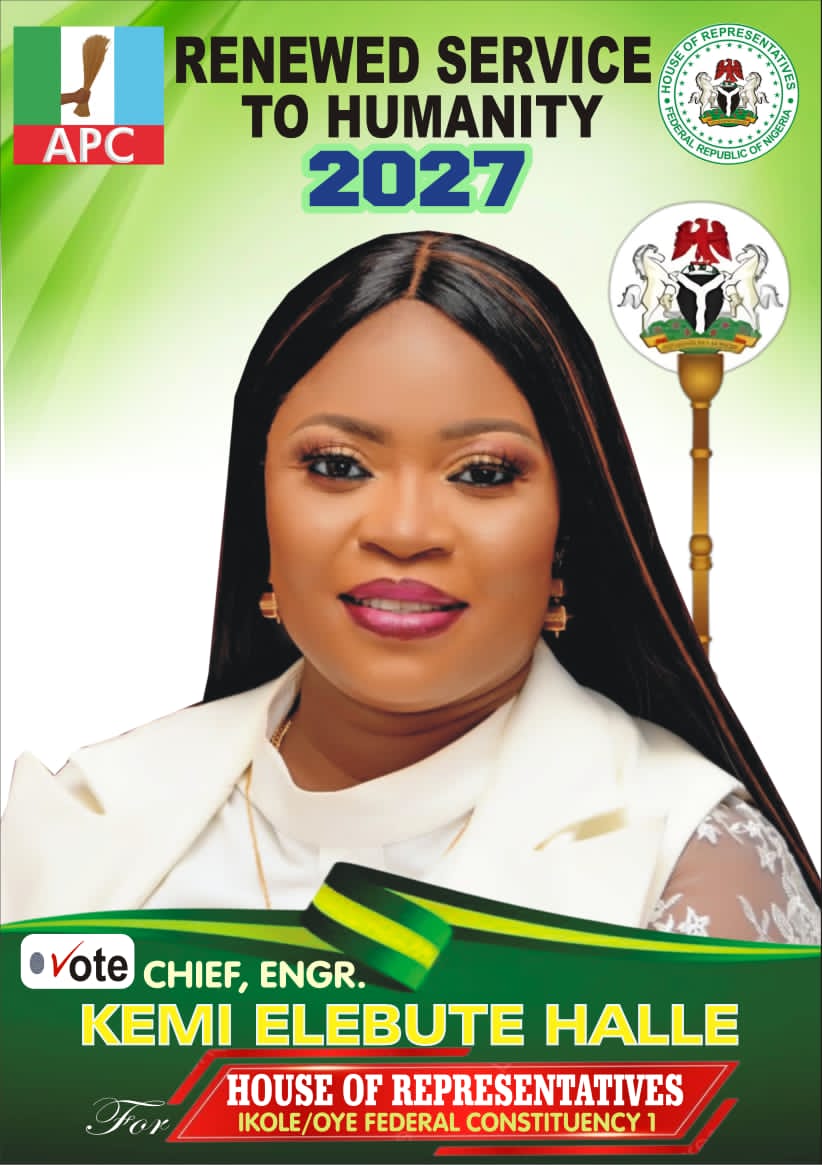
There’s a growing sense that Ikole Ward 10 is no longer content to sit on the sidelines—and the conversation is shifting from exclusion to possibility.

The idea of a Ward 10 mandate for the next House of Representatives seat is rooted in a simple argument: fairness and rotation. For years, political power within Ikole has leaned heavily toward other wards, leaving Ward 10 without meaningful representation at the federal level. Now, many believe it’s time to correct that imbalance.
A Ward 10 mandate isn’t just about “taking a turn”—it’s about giving a voice to a part of the constituency that has, until now, been underrepresented. Supporters argue that true democracy works best when leadership reflects the diversity of its people. By backing a candidate from Ward 10, Ikole would be making a statement about inclusion, equity, and shared ownership of governance.
There’s also a practical side to this. Representation often shapes development—projects, infrastructure, and attention tend to follow political influence. Ward 10 stepping into the House of Representatives could open new doors for its communities, ensuring their needs are not just acknowledged but actively prioritized.
Of course, a mandate like this doesn’t happen automatically. It requires unity within Ward 10, strategic alliances across other wards, and a candidate who can appeal broadly while still carrying the identity and aspirations of their people.
At its heart, this moment feels less like a political demand and more like a recalibration—an attempt to bring balance back into Ikole’s political structure. Whether it succeeds will depend on how well the message resonates: that inclusion isn’t a favor, it’s a necessity.