Military Rule or Democracy: What Should Africans Expect From Their Leaders?

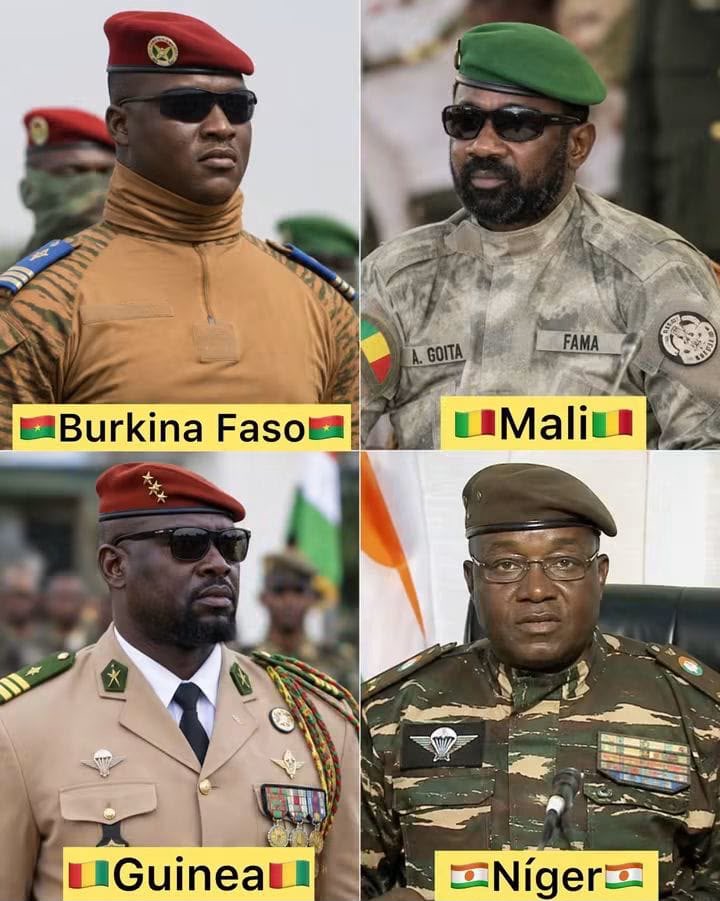
What should Africans expect from the four military leaders currently at the centre of political developments in parts of Africa, particularly when compared with countries operating under democratic governments?
The experience of countries such as Burkina Faso has continued to generate debate about whether military-led governments can deliver better results in areas such as security, agriculture, industrialisation, infrastructure and economic development than democratically elected administrations.
In Burkina Faso, supporters of the military government argue that the authorities have taken a different approach to national security, economic policy and the use of domestic resources. These developments have prompted some Africans to question whether military rule should always be regarded as inferior to democracy simply because it does not derive its mandate through elections.
However, the bigger question is whether the system of government itself determines the success of a country or whether the quality, accountability and effectiveness of its leadership matter more.
Nigeria’s own history provides an interesting point of reference. During the military era, particularly under General Ibrahim Babangida, the country witnessed the implementation of several major development projects and national programmes. At the same time, however, military governments operated without the full democratic institutions and freedoms associated with elected government.
It is therefore important not to romanticise either system. Military governments can sometimes take quick decisions and implement certain projects without the delays associated with democratic processes. But military rule can also restrict political participation, freedom of expression, institutional checks and the right of citizens to choose their leaders.
Democracy, on the other hand, provides mechanisms such as elections, legislative oversight, freedom of information, public debate and greater opportunities for citizens to hold leaders accountable. Yet democracy does not automatically guarantee good governance. Where institutions are weak, corruption is widespread and leadership fails to address insecurity, unemployment, poverty and economic hardship, citizens can become frustrated with the democratic system.
The real lesson for Africa may therefore be that the debate should not simply be about military rule versus democracy, but about effective governance versus ineffective governance.
Whether a government is military or civilian, Africans need security, economic opportunities, functional infrastructure, quality education, healthcare, food security and respect for human rights. Citizens also need governments that are transparent and accountable.
Military rule and democracy may sometimes produce similar outcomes when institutions and leadership fail. But democracy provides constitutional avenues for citizens to demand change without resorting to coups or violence.
The challenge for African countries is therefore to strengthen democratic institutions and ensure that elected governments deliver tangible development. The ultimate goal should not merely be to have democracy or military rule, but to build governments that genuinely serve their people.
Signed:
Isa Pol Consultancy Information and Communication Firm