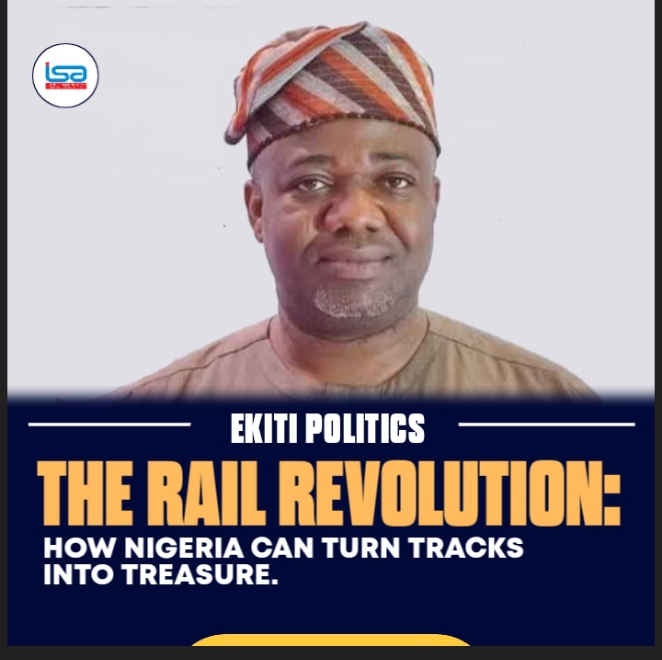
The Rail Revolution: How Nigeria Can Turn Tracks into Treasure.

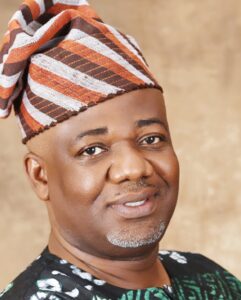
Hon. Olumuyiwa Adesua, a UK-based transport veteran with over 30 years of experience, isn’t just watching Nigeria’s infrastructure evolve he’s providing the blueprint to make it world class. Recently returning from an assessment of the Lagos Calabar Coastal Road, the APC UK Deputy Chairman shares why this project is a game changer and how Nigeria can fix its rail system for good.
1. Beyond Asphalt: The Coastal Road as an Economic Engine
Adesua dismisses claims that the Lagos-Calabar Coastal Road is a “white elephant” project. Instead, he views it as a courageous masterstroke by President Bola Tinubu.
Regional Integration: The road isn’t just local; it connects Southern Nigeria to the West African coast, including Benin and Togo.
Job Creation: By using national funds and local labor, the project is already acting as a massive employer.
A “Renewed Hope” Reality: What sat on paper for decades is finally being built, opening a corridor for new businesses and youth engagement.
2. Rail: The Secret Weapon Against Unemployment
The most exciting feature of the coastal project, according to Adesua, is the integrated railway. He argues that a functional rail system is one of the world’s most powerful job creators.
Diverse Career Paths: A single rail line requires engineers, marketers, ticket agents, drivers, and signallers.
Departmental Depth: Technology doesn’t replace people in rail; it requires skilled teams to manage it.
Legacy Building: Adesua calls on the National Assembly to legislate a Maintenance Bill to ensure these multi-billion naira tracks serve not just us, but generations yet unborn.
3. The “Lagos Model” and the Death of Traffic
Reflecting on the Lagos Rail Mass Transit, Adesua praises Governor Babajide Sanwo-Olu and his predecessors.
Mass Transit Efficiency: While a bus holds dozens, a train holds thousands. Adesua notes that an efficient system could clear a terminal of 500,000 people in mere hours.
The 15-Minute Goal: He envisions a future where trains run every 10–15 minutes, effectively ending the legendary Lagos gridlock within a decade.
4. Solving the “Maintenance Cost”
In Nigeria, “maintenance” is often the missing link. Adesua suggests a radical shift in culture, inspired by the UK:
Strategic Shutdowns: In the UK, rails are often closed during holidays (like Dec 24 – Jan 2) specifically for “renewal,” not just repairs.
Legislative Teeth: The government must mandate maintenance by law or encourage the private sector to form specialized maintenance firms.
5. The Blueprint: Private Synergy & Brain Gain
How does Nigeria move forward? Adesua offers two key strategies:
Tapping the Diaspora: Nigeria has elite talent working in systems like the London Underground. He encourages the government to continue recruiting these “old hands” to train young Nigerian graduates from institutions like the Railway University in Katsina.
The 60-40 Private Partnership: Government shouldn’t run the whole show. Adesua suggests a model where the Government builds the tracks while the Private Sector runs the trains. This ensures efficiency, competitive pricing, and better service delivery while the government maintains a regulatory role.
The Bottom Line: For Hon. Adesua, Nigeria’s transport future isn’t just about moving people it’s about moving the economy. By blending political will with a strict maintenance culture and private sector efficiency, Nigeria can transform its transit trials into a golden era of growth.
Comrade Afuye Idowu
Published by; ISAPOL CONSULTANCY INFORMATION COMMUNICATION FIRM.